The market has moved into the RTX 50-series generation. These picks are grouped by buyer type: flagship AI, high-end gaming, balanced performance, budget AI, budget gaming, and last-generation VRAM value.
No fake prices. No fake ratings. Always verify the exact listing, seller, warranty, shipping, and return terms before buying.
Do not buy from the GPU name alone. Verify VRAM amount, exact board partner model, case clearance, power connector requirements, seller, warranty, and return policy.
32GB GDDR7 current-generation flagship GPU for heavy AI, local LLMs, creator work, and high-end 4K gaming.
Best fit if you want the top current-generation NVIDIA consumer GPU and are building around maximum performance.
16GB GDDR7 high-end current-generation GPU for 4K gaming, ray tracing, creator workflows, and AI experimentation.
Good target if RTX 5090 pricing is too high but you still want a serious current-generation card.
16GB GDDR7 upper-midrange GPU for high-refresh 1440p, entry 4K, creator work, and AI experimentation.
Good fit if you want more headroom than RTX 5070 without jumping to RTX 5080 or RTX 5090 pricing.
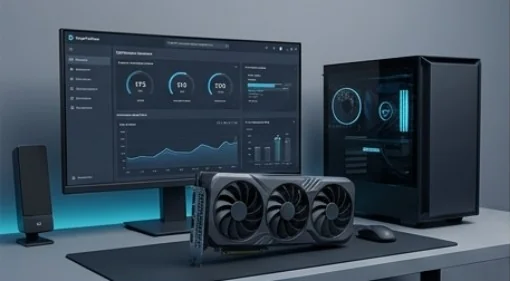
12GB GDDR7 current-generation GPU for mainstream enthusiast gaming, creator work, and efficient builds.
Best watched as a price-to-performance card, especially when RTX 5070 Ti pricing is too high.
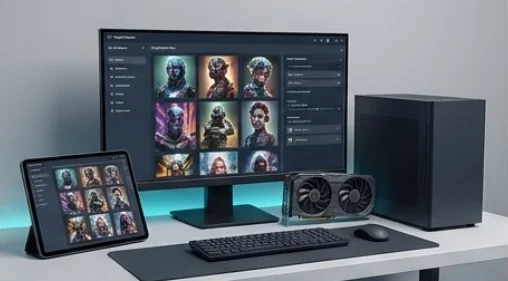
16GB GDDR7 budget AI/value card for Stable Diffusion, ComfyUI, 1080p gaming, and lighter creator workloads.
Better for budget AI than 8GB cards because the 16GB VRAM gives Stable Diffusion and creator workloads more room.
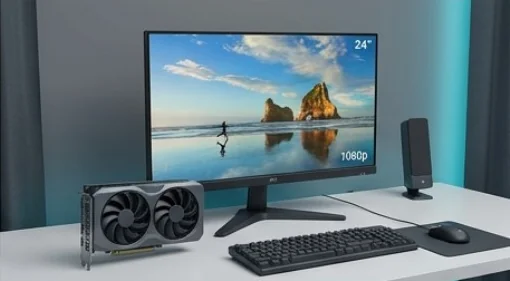
8GB GDDR7 entry card for 1080p gaming and efficient budget builds.
Good only if the price is right. AI users should usually look for more VRAM.
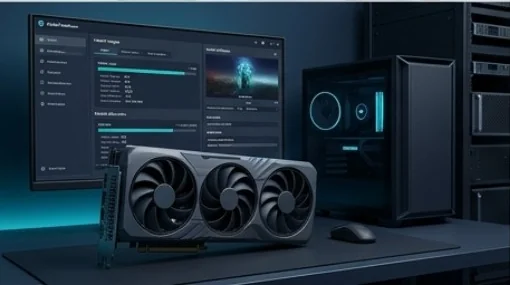
Last-generation 24GB VRAM cards that still matter for local LLMs, Stable Diffusion, and AI labs.
Useful when VRAM matters more than buying the newest card. Check seller, warranty, return policy, and condition.